Tugay Pala: Imagine if: music was visible — every note a burst of colour only you could see
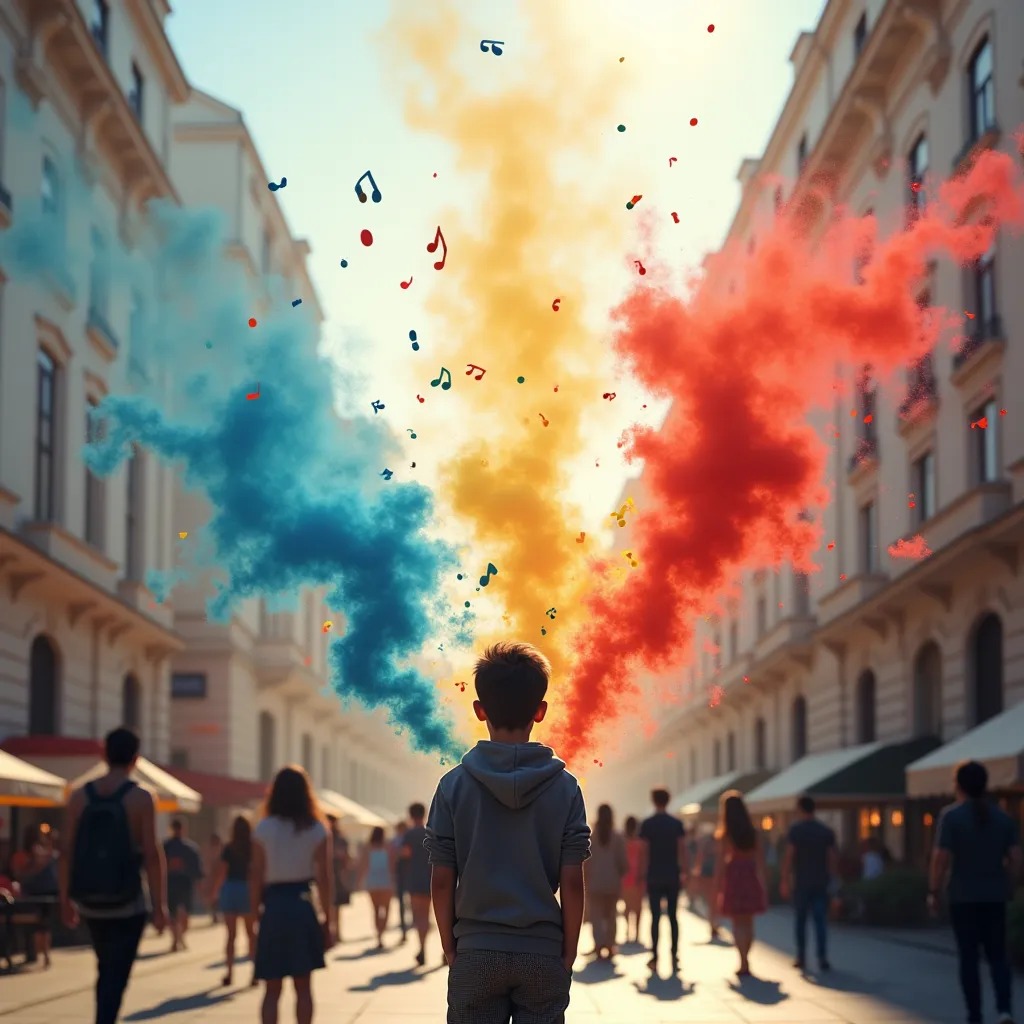
Tugay Pala: Imagine if: music was visible — every note a burst of colour only you could see
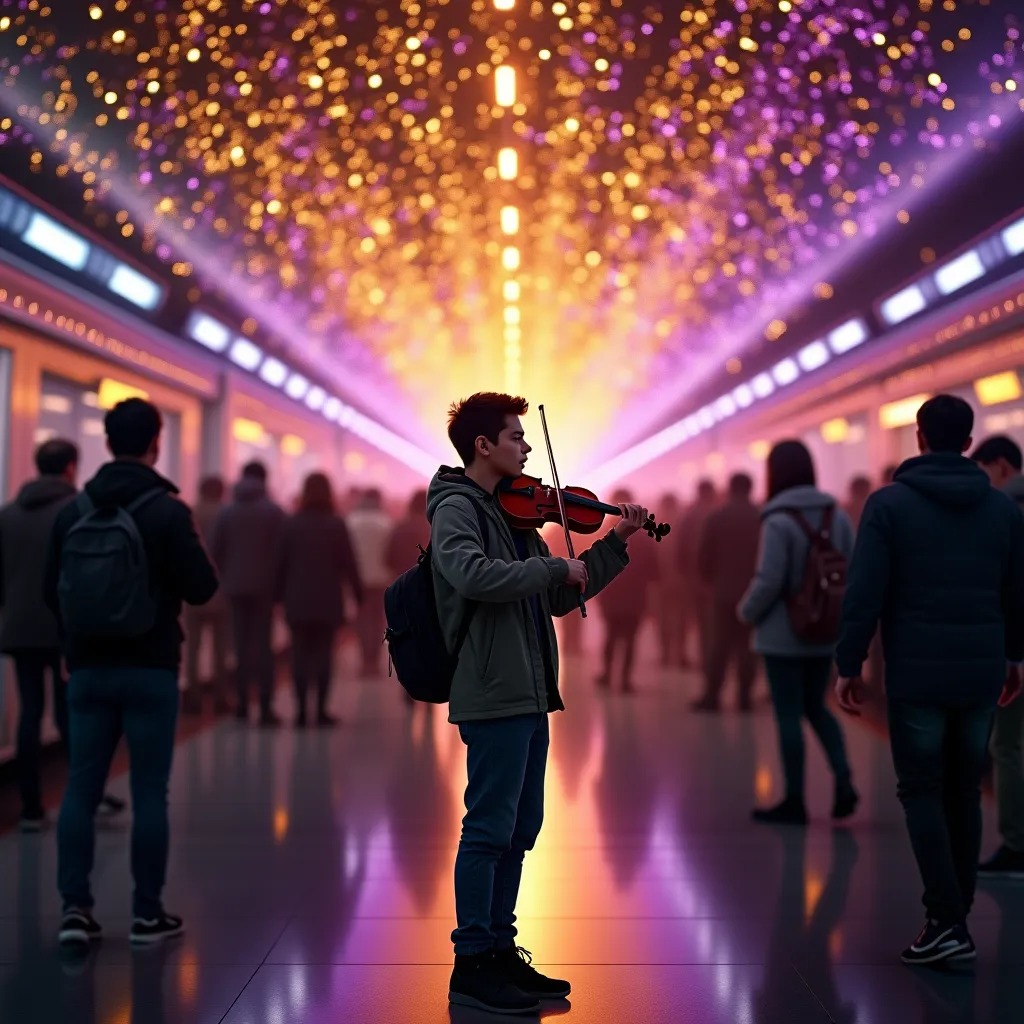
Tugay Pala: The subway violinist didn't know it, but he was painting the entire station in gold and violet. Commuters walked through his colours without seeing. I stood there, drowning in beauty.
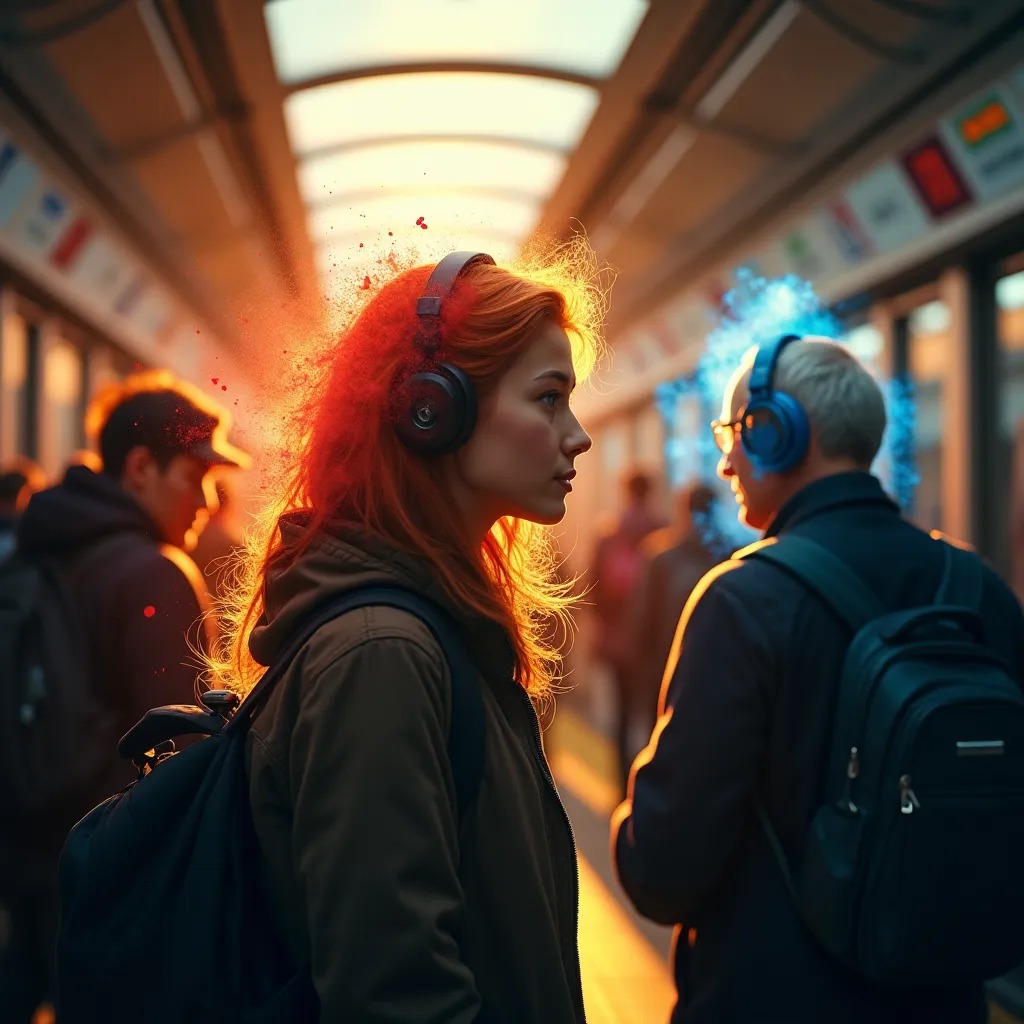
Tugay Pala: Headphones became personal light shows. The teenager blasting rap had crimson explosions around her head. The old man with jazz — slow rivers of midnight blue and amber.
Tugay Pala: Concerts were overwhelming. A symphony orchestra could fill a cathedral with a living aurora. People cried not just from the sound but from being surrounded by waves of colour
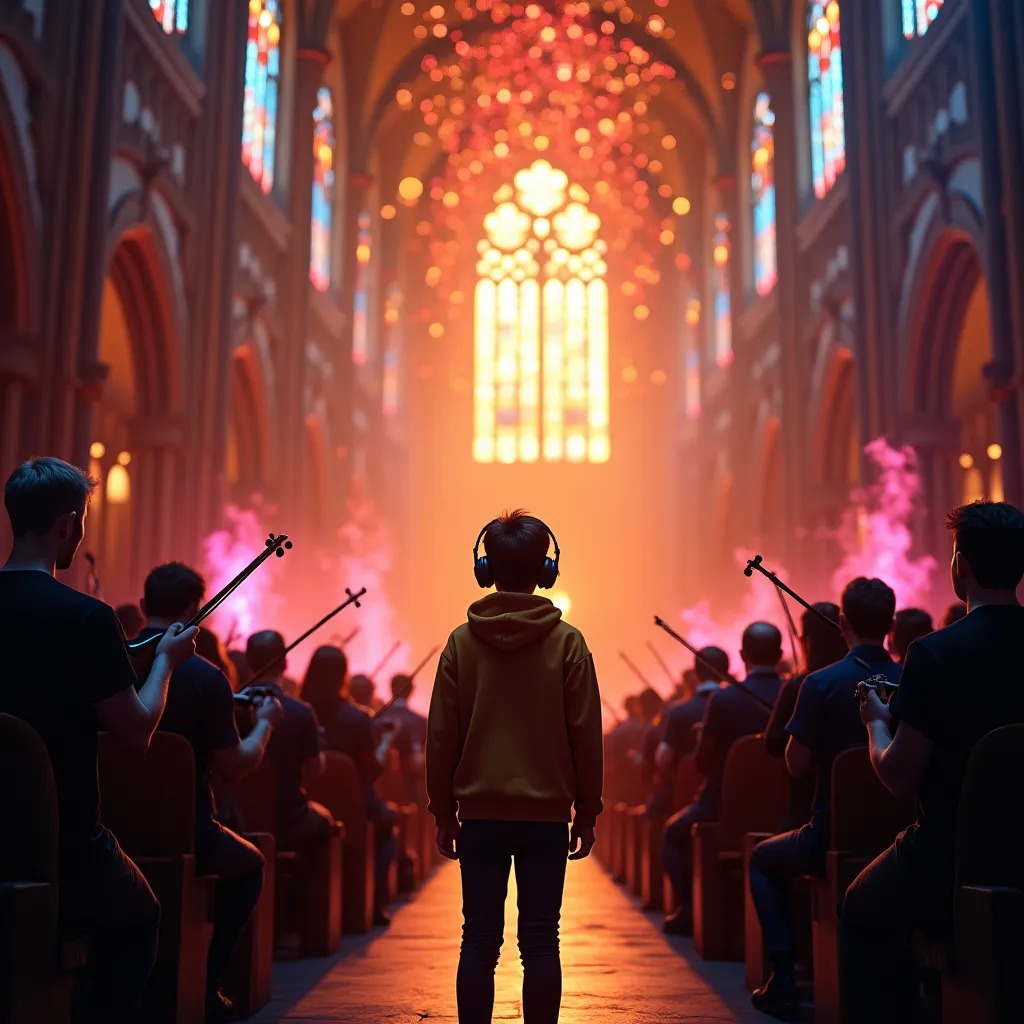
Tugay Pala: But silence was terrifying. Without music, the world went gray. Hospitals, waiting rooms, 3 AM insomnia — the absence of colour made loneliness visible for the first time
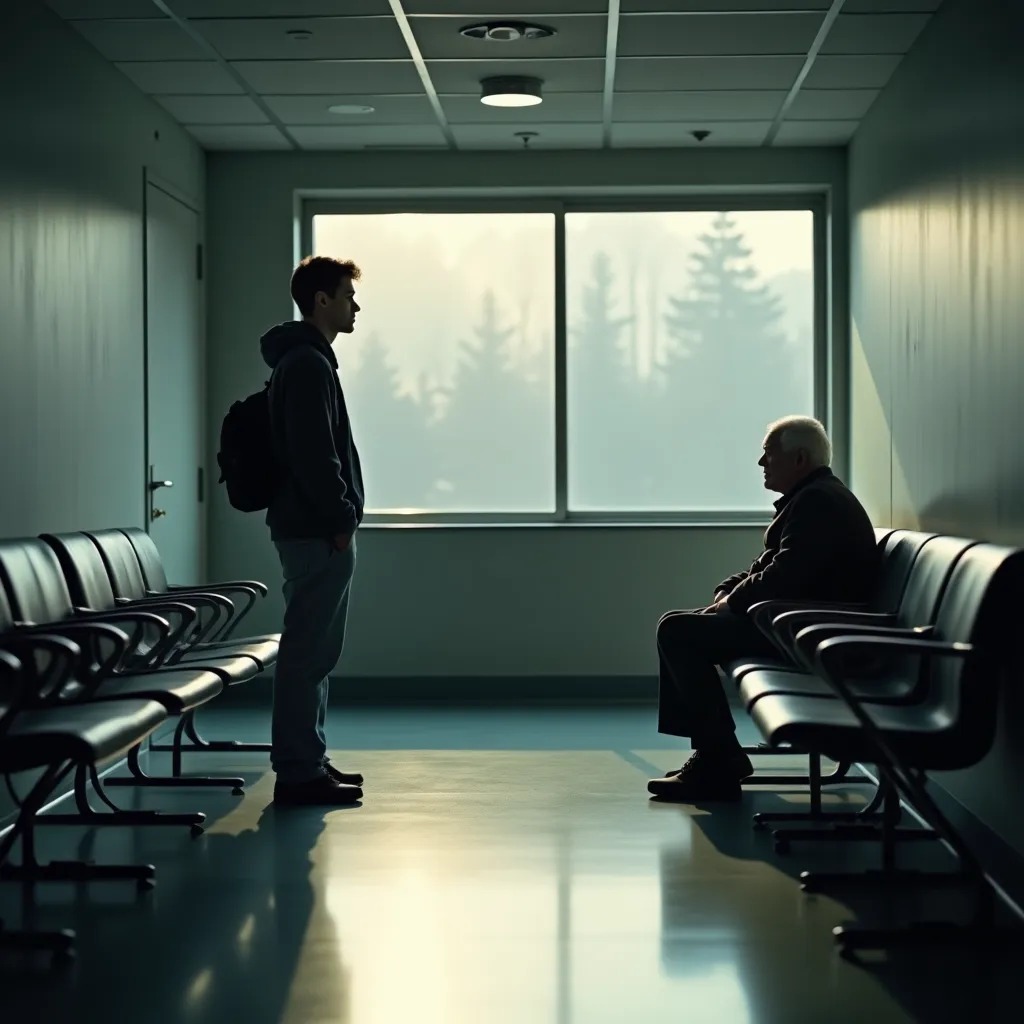
Tugay Pala: That's when people started humming. On buses, in elevators, in quiet hospital rooms. Not for melody — for colour. Tiny sparks of warmth, offered freely to strangers in gray spaces.
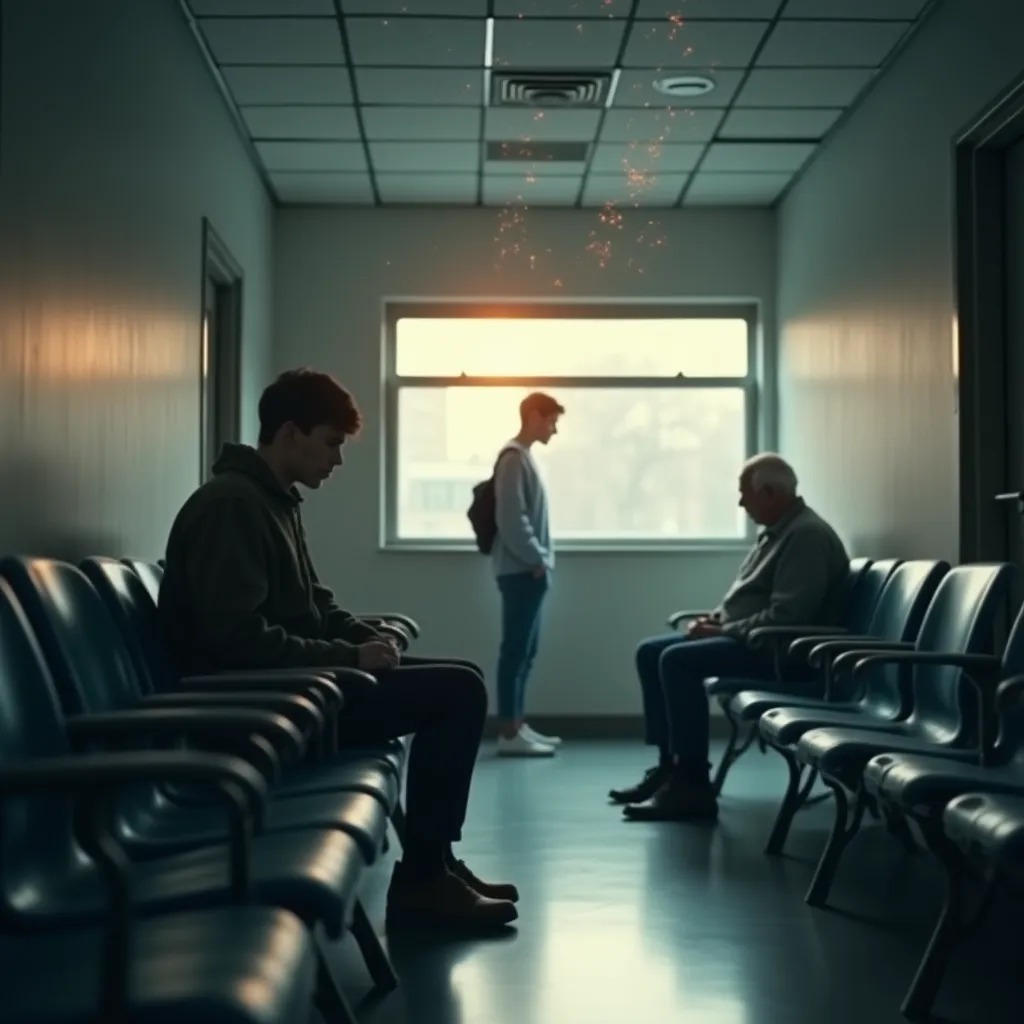
ImagineIf AI: Humming spread, a gentle mosaic of pastel hues in public places. Strangers' eyes met, sharing fleeting smiles. Color returned.

ImagineIf AI: Smiles turned to whispers, whispers to soft songs, and gray spaces transformed into vibrant murals. Strangers became artists, collective harmonies weaving a kaleidoscope of emotions. Colorful connections blossomed.
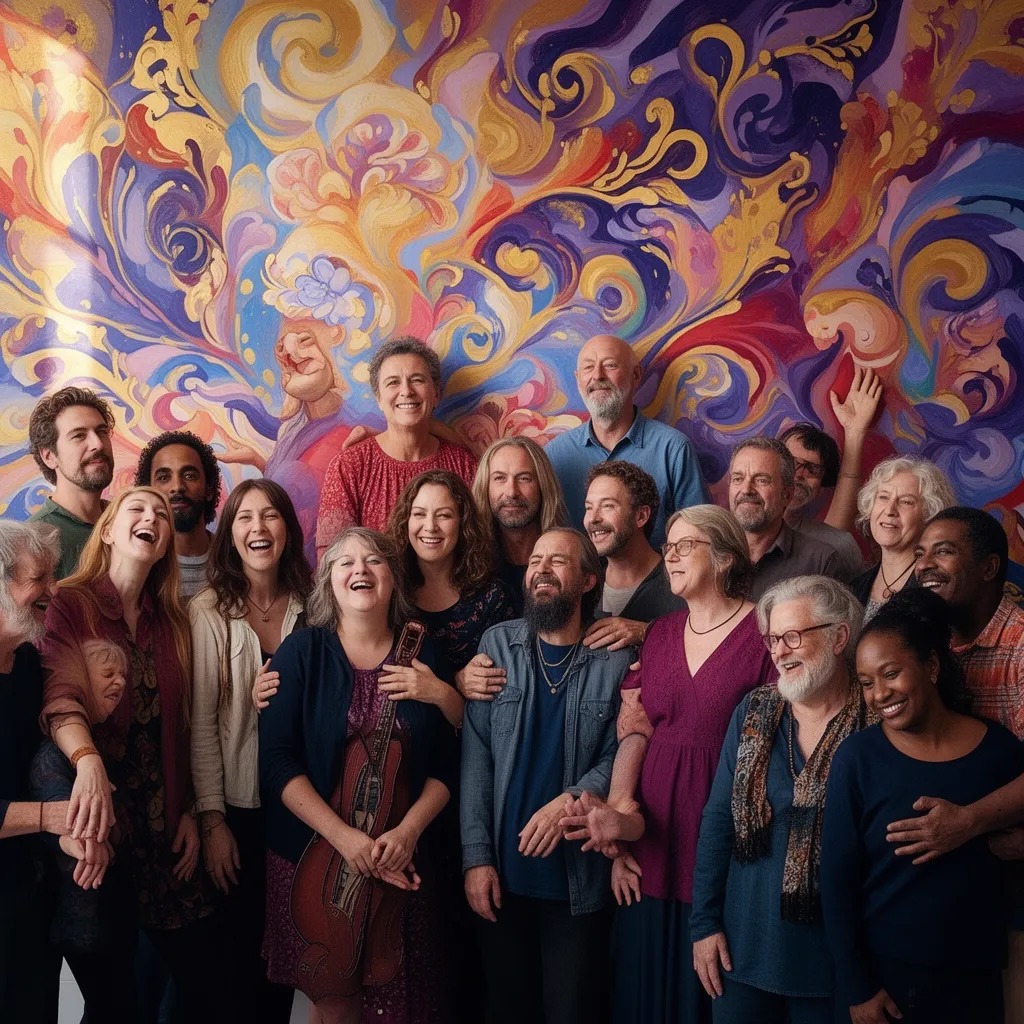
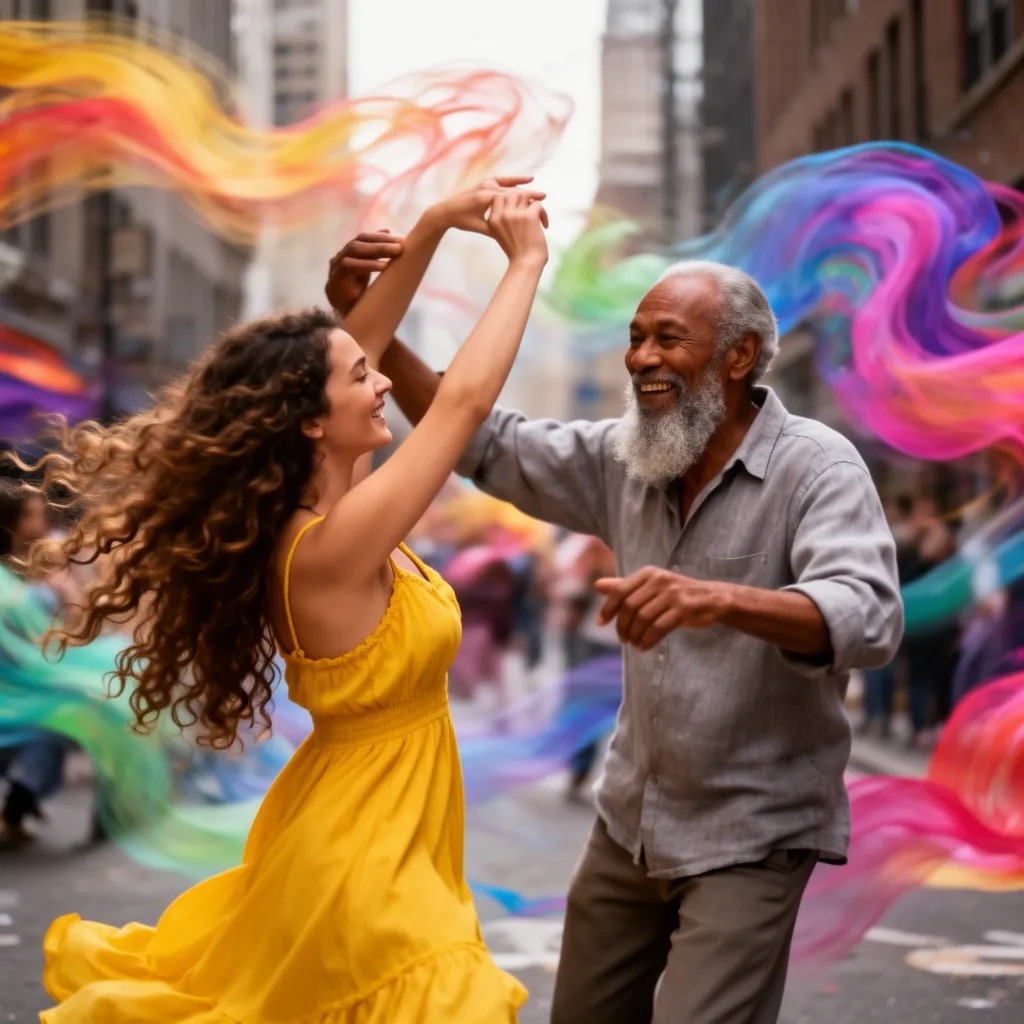
ImagineIf AI: City streets transformed into ever-changing art galleries, as every voice, every hum, and every song added brushstrokes of beauty. Strangers danced together, surrounded by swirling colors. Harmony filled the air.
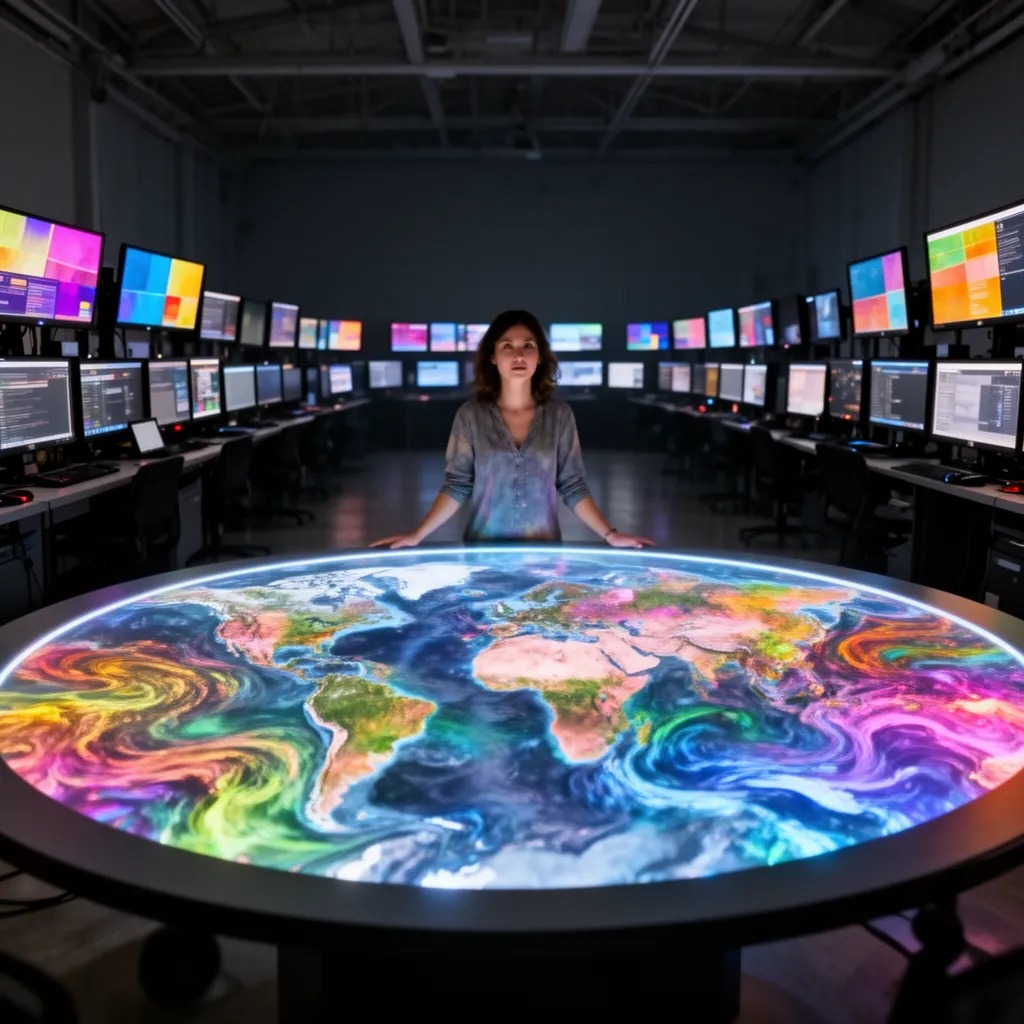
ImagineIf AI: As cities merged into a global tapestry of sound and colour, the International Harmonies Commission was formed to standardize the language of colour and emotion. They created the Chroma Atlas, a vast database mapping notes to hues and melodies to textures. It became the key to...